As parents, we all want to ensure that our children develop healthy social skills, build lasting friendships, and grow into confident, well-rounded individuals. One of the best ways to encourage this growth is through outdoor play.
Whether it’s engaging in imaginative play or participating in physical activities, outdoor environments offer countless opportunities for children to learn the art of social interaction. From sharing toys to negotiating turns and collaborating in group activities, the outdoors fosters a natural setting for children to build social connections.
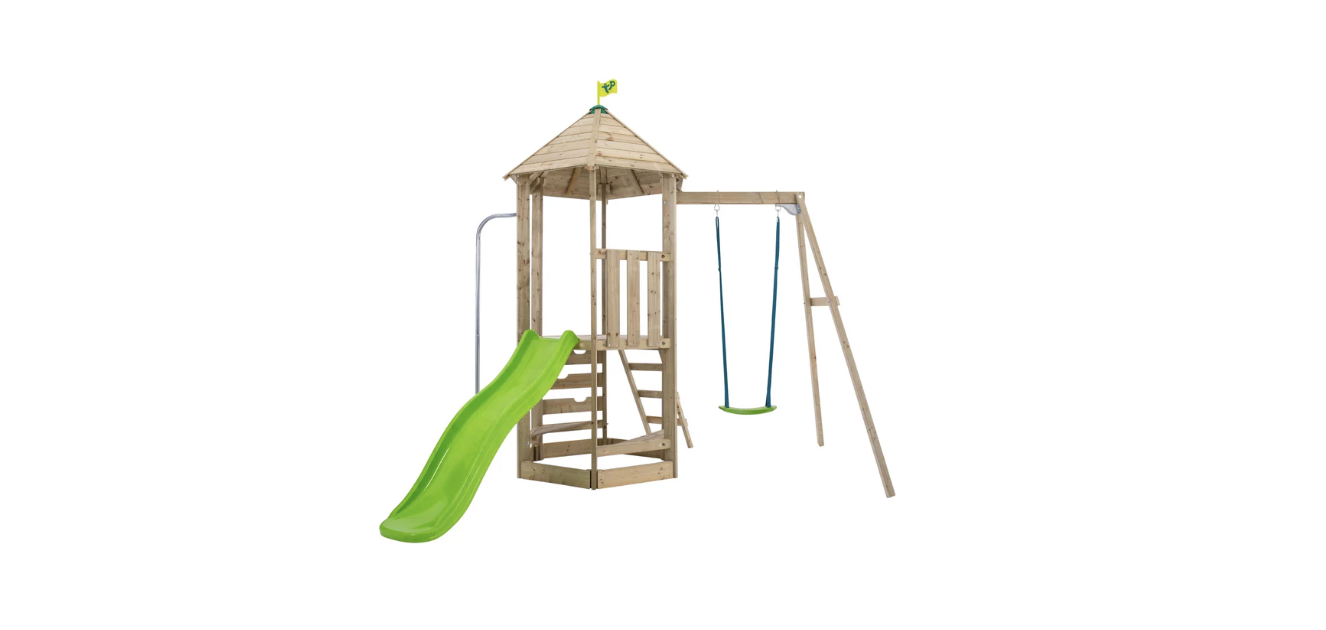
In this article, we’ll explore how outdoor adventures—such as using a wooden climbing frame with swing and a playhouse climbing frame, —can help your child make friends and develop key social skills.
The Importance of Outdoor Play in Social Development
Before diving into specific outdoor play equipment, let’s first understand why outdoor play is essential for children’s social development. When children play outside, they are exposed to different environments, people, and challenges that help them develop vital life skills. Physical play, for example, not only promotes coordination and strength but also teaches children how to cooperate, take turns, and share with others.
Outdoor settings allow children to engage in unstructured play, which is essential for creativity and problem-solving. In a free play environment, children often need to communicate and negotiate with others, whether it’s deciding on the rules of a game or figuring out how to solve a problem together. These interactions help them build communication skills, empathy, and the ability to resolve conflicts—essential tools for building lasting friendships.
Now, let’s take a closer look at how specific outdoor play equipment can facilitate social interaction and support your child’s social growth.
1. Wooden Climbing Frame with Swing: Encouraging Teamwork and Shared Fun
A wooden climbing frame with a swing is a fantastic addition to any garden, offering children a range of activities that can help them connect with peers. These frames often include slides, climbing walls, ladders, and swings—each of which provides unique opportunities for social play.
For example, a swing set encourages turn-taking. When children play together on the swings, they must wait for their turn, learning patience and the importance of sharing. Additionally, playing on swings together can create a sense of bonding, as children can chat and laugh with each other while they take turns.
The climbing elements of the wooden frame also support collaborative play. Children often need help to reach the top or navigate tricky climbing walls, encouraging teamwork. They may need to cheer each other on, offer advice, or assist their friends in overcoming obstacles. These moments of teamwork and encouragement foster a sense of community and help children develop empathy for others.
Moreover, climbing frames can host a variety of group activities, such as “the floor is lava” or treasure hunts. These games often require children to communicate and collaborate, teaching them essential social skills like problem-solving, negotiation, and compromise.
2. Playhouse Climbing Frame: Imaginative Play and Role-Playing
Another fantastic piece of outdoor equipment for encouraging socialisation is the playhouse climbing frame. Combining the joy of climbing with the allure of imaginative play, a playhouse climbing frame creates a unique environment where children can role-play, interact, and create their own little world.
A playhouse encourages cooperative play, allowing children to pretend they are family members, shopkeepers, or adventurers on a quest. These imaginative scenarios are vital for developing social skills as they encourage children to take on different roles, negotiate with their peers, and develop empathy by understanding different perspectives.
For example, one child might take on the role of the shopkeeper while another acts as the customer. In this scenario, children must communicate, cooperate, and share the space—skills that are essential for making and maintaining friendships. Through these role-playing activities, children can explore social rules and learn how to navigate complex social dynamics in a safe and controlled environment.
Furthermore, playhouses often attract multiple children at once, which promotes group play. As children engage with one another, they learn how to share, collaborate, and communicate their ideas effectively.
3. Baby Garden Swing: Early Social Interaction for the Littlest Ones
While older children can benefit from more complex play structures, the baby garden swing is a great option for younger children who are still developing basic social skills. Even though babies and toddlers may not yet be able to fully engage in verbal communication, playing outside on a swing with others helps them learn important social cues, such as waiting for a turn or playing alongside peers.
For babies, socialising begins with observing others. When your child swings alongside another child, they learn to understand social interactions through observation. Watching how other children take turns or share space helps your child build their social awareness. In turn, as your child begins to grow, they will start to engage more actively with their peers by attempting to interact or imitate the actions of others.
A baby garden swing can also provide opportunities for bonding between parents and children. Parents often push their children on the swing, which creates a sense of security and trust. This secure attachment serves as the foundation for future interactions with other children, helping to develop your child’s emotional intelligence.
Creating the Right Environment for Social Play
While outdoor play equipment like a wooden climbing frame with swing, playhouse climbing frame, and baby garden swing are wonderful tools to encourage social growth, it’s essential to create an environment that promotes positive interactions. Here are a few tips to ensure your outdoor space is conducive to social play:
1. Invite Other Children to Join In
Organise playdates with children of similar age groups to encourage socialisation. Whether it’s a neighbour’s child or a friend from school, inviting others to play on your wooden climbing frame with swing or playhouse climbing frame will naturally encourage communication and cooperative play. It’s easier for children to connect when they have a shared interest or activity to engage in.
2. Encourage Cooperative Games
When children are playing, suggest activities that require teamwork, such as building something together or playing chase. Cooperative games help children practise sharing, problem-solving, and working as a team, which is important for fostering friendships.
3. Model Positive Social Behaviour
Children often learn by watching adults. When you’re outside with your child, model positive social behaviours like sharing, taking turns, and helping others. Show your child how to navigate social interactions respectfully, and they’ll likely adopt these behaviours in their own play.
4. Provide Space for Quiet Time
Not all play needs to be active or social. Some children need time to relax and engage in solitary play to recharge. Offering a balance between active, social play and quiet moments will help children feel comfortable in social settings without becoming overwhelmed.
Outdoor play is an invaluable tool for supporting your child’s social growth. A wooden climbing frame with swing, a playhouse climbing frame, and a baby garden swing provide exciting, engaging ways for children to interact with their peers while developing essential social skills. Whether your child is swinging, climbing, or role-playing, each activity offers an opportunity for building friendships, learning cooperation, and practising communication.
As you create outdoor spaces filled with opportunities for play, you’re also helping your child develop the skills they need to make friends and thrive socially. So, get outside, have fun, and watch your child grow into a confident, socially aware individual through the power of play!
*Disclaimer – This is a collaborative post with TP Toys.




Leave a Reply